Home / About
The heritage of the Russian school

Traditions,
proven over centuries.

Great teachers and choreographers built the system that made the Russian classical school the strongest in the world. We draw on the recognised sources of this tradition and pass it on without distortion — as it is. That is the guiding principle — The Classic Method.
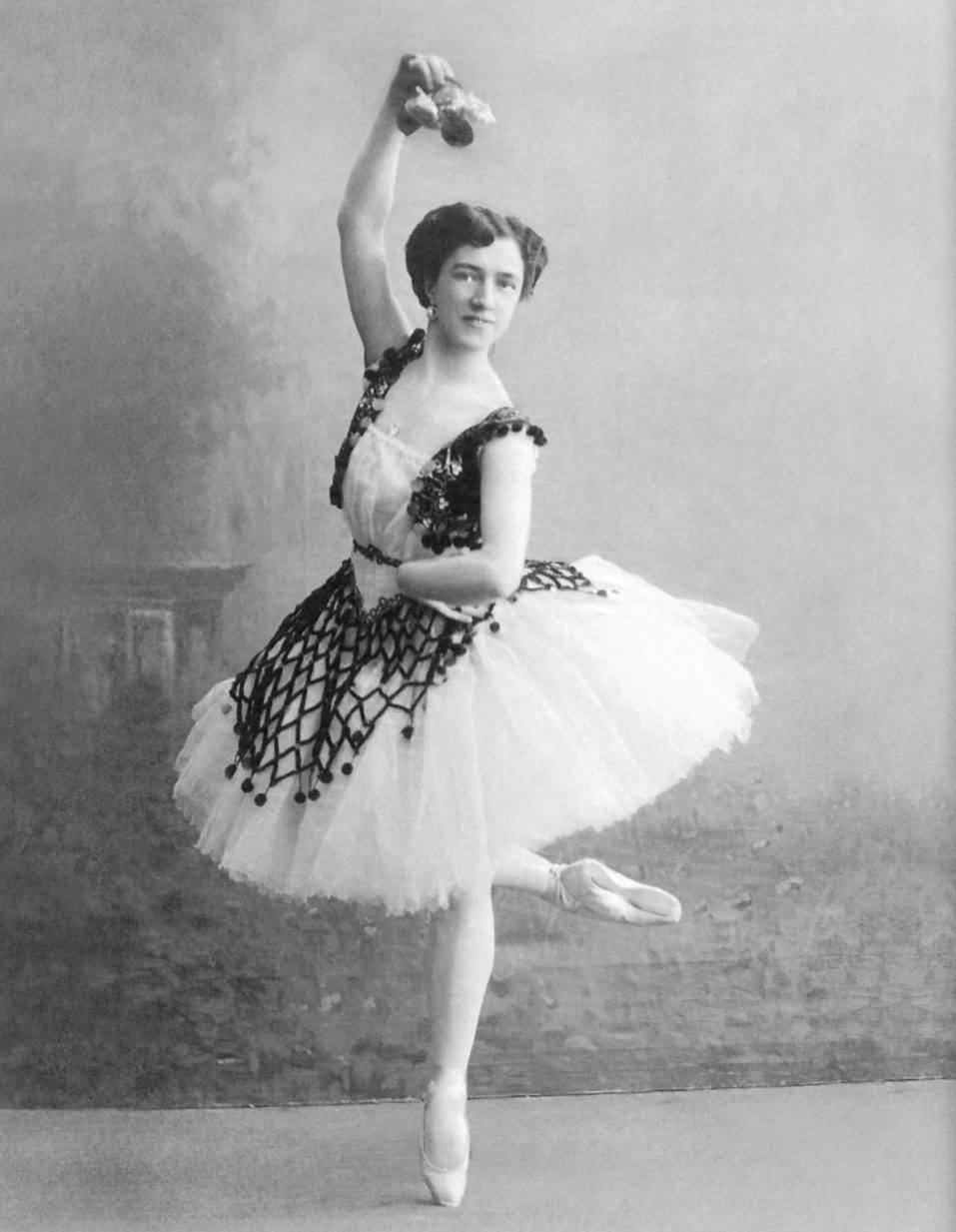
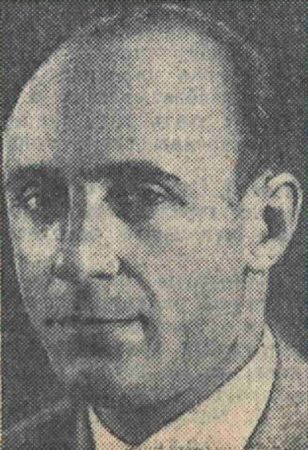
Агриппина Ваганова
Agrippina VaganovaTeacher · founder of the method
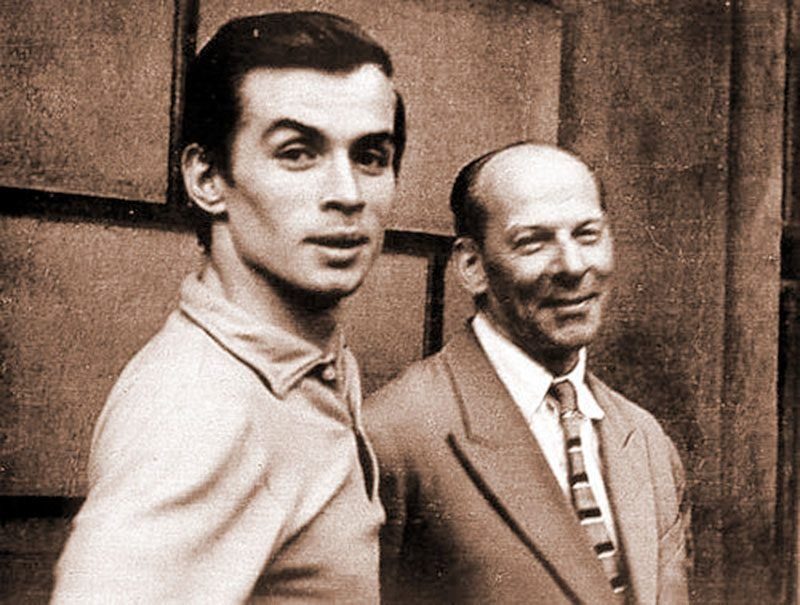
Александр Пушкин и Рудольф Нуриев
Alexander Pushkin · Rudolf NureyevTeacher and student
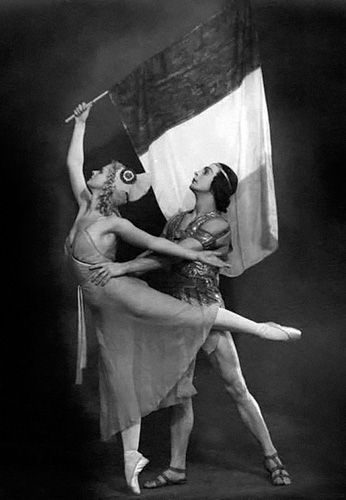
Серебренников
SerebrennikovPartnering (pas de deux)
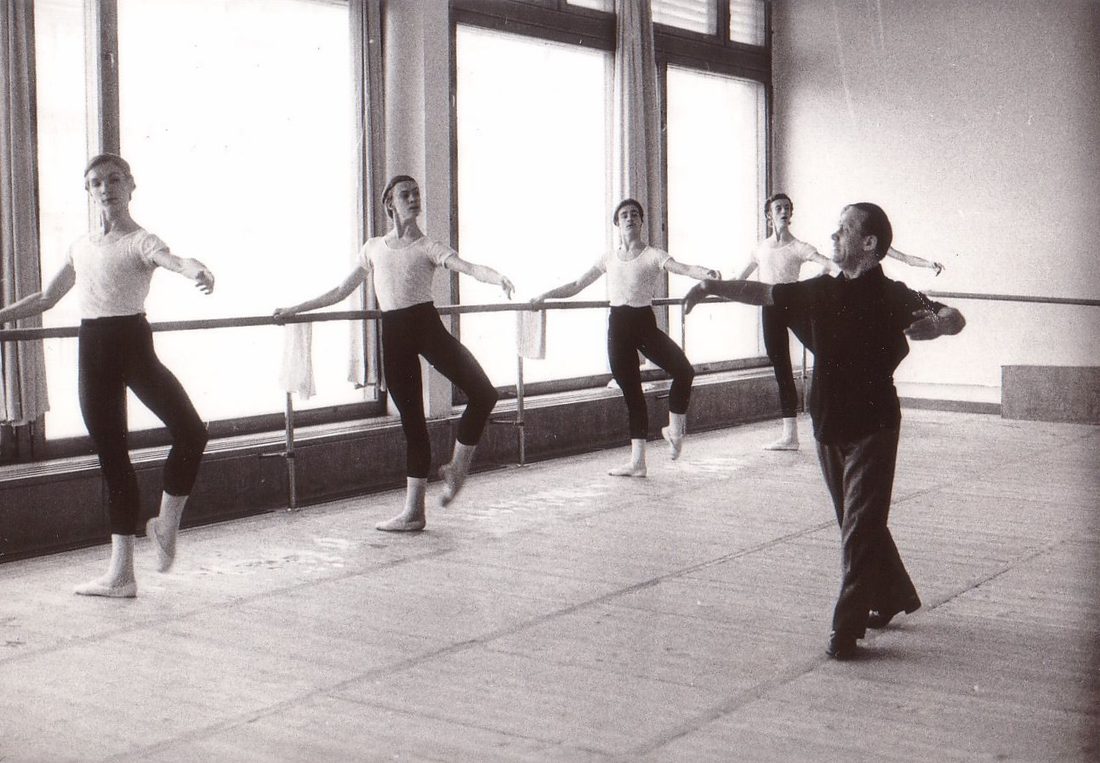
Пётр Пестов
Pyotr PestovTeacher of the men's class
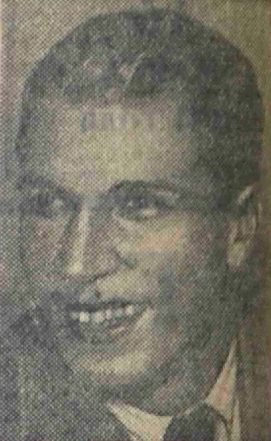
Вахтанг Чабукиани
Vakhtang ChabukianiChoreographer · dancer
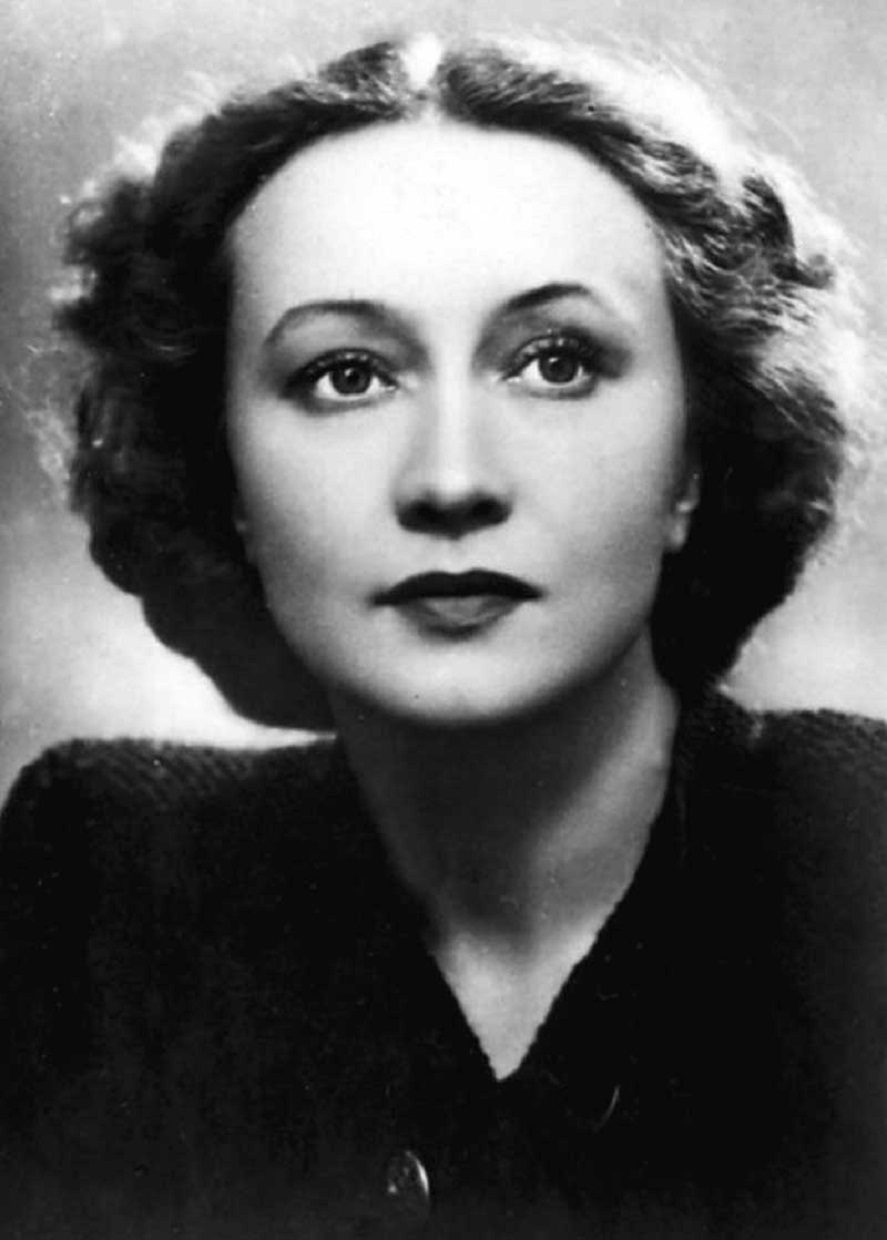
Галина Уланова
Galina UlanovaPrima · teacher
Асаф Мессерер
Asaf MessererTeacher · choreographer
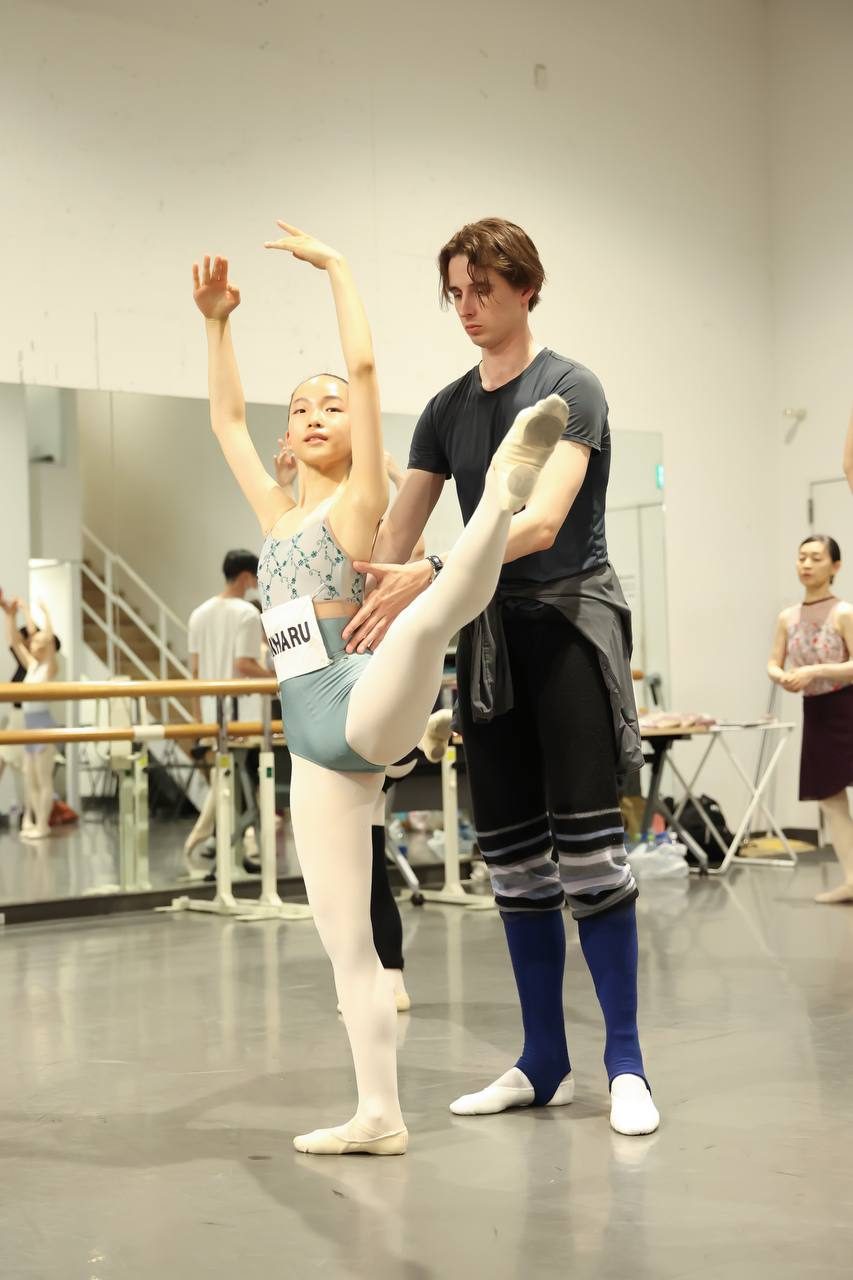
Ballet is a system, not a style.

Format
One movement —
one video.

Every movement of classical ballet is broken down in its own lesson: origin, mechanics, common mistakes, clean execution. You open exactly the movement you are working on today.

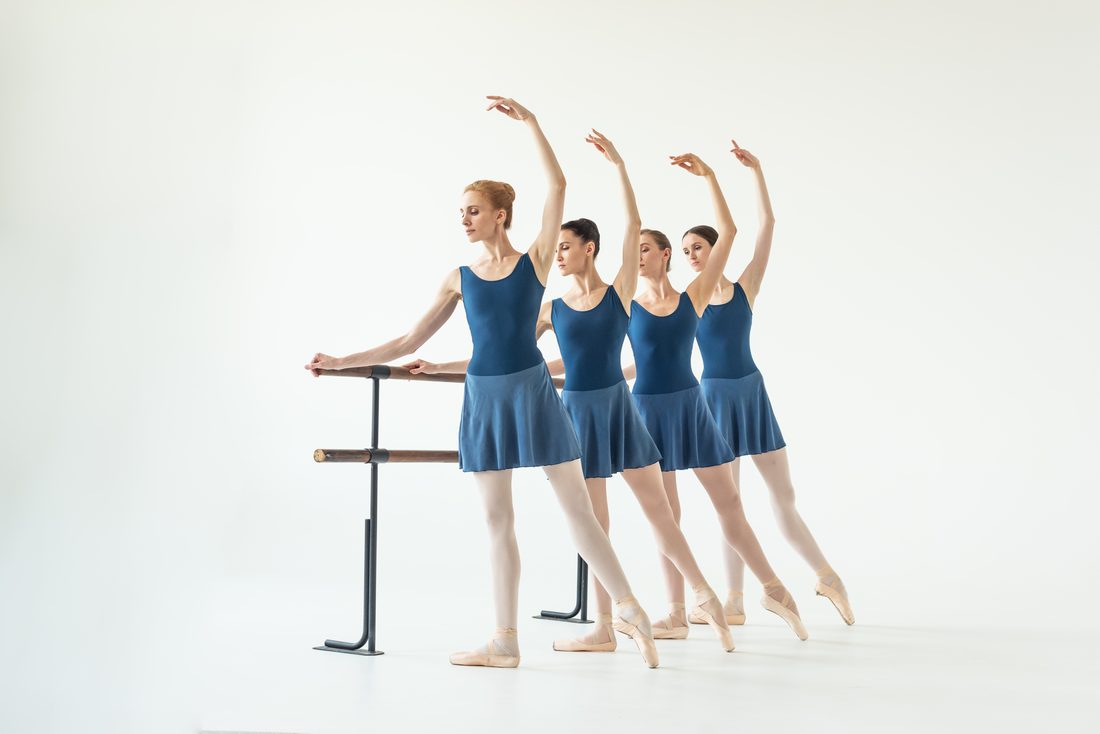
PliéTenduRond de jambeDéveloppéFouettéArabesque
Раскадровка движения
≈ 52° SUPPORTING LEG FLOOR
The structure of The Classic Method

The movement diagram

A movement has architecture. The diagram makes it visible — axes, angles, support. What the master feels in the body, you see with your eyes.

  • The line of the turned-out leg to the toe
  • The vertical of the supporting leg and balance
  • The point of contact with the floor and weight distribution
01
What's in every lesson
One movement — five steps

Every video lesson is built the same way — from the origin of the movement to the common mistakes. You always know what you'll see and what you're paying for.

01

Origin

Where the movement comes from, its role in the school and on stage.

02

Mechanics

How the body works: axes, support, turnout, weight.

03

The movement diagram

Geometry and angles overlaid on the performance — you see why it's correct.

04

Clean execution

The dancer's reference demonstration — slowly and in tempo.

05

Common mistakes

What most often goes wrong — and how to fix it.

Story
How the project was born

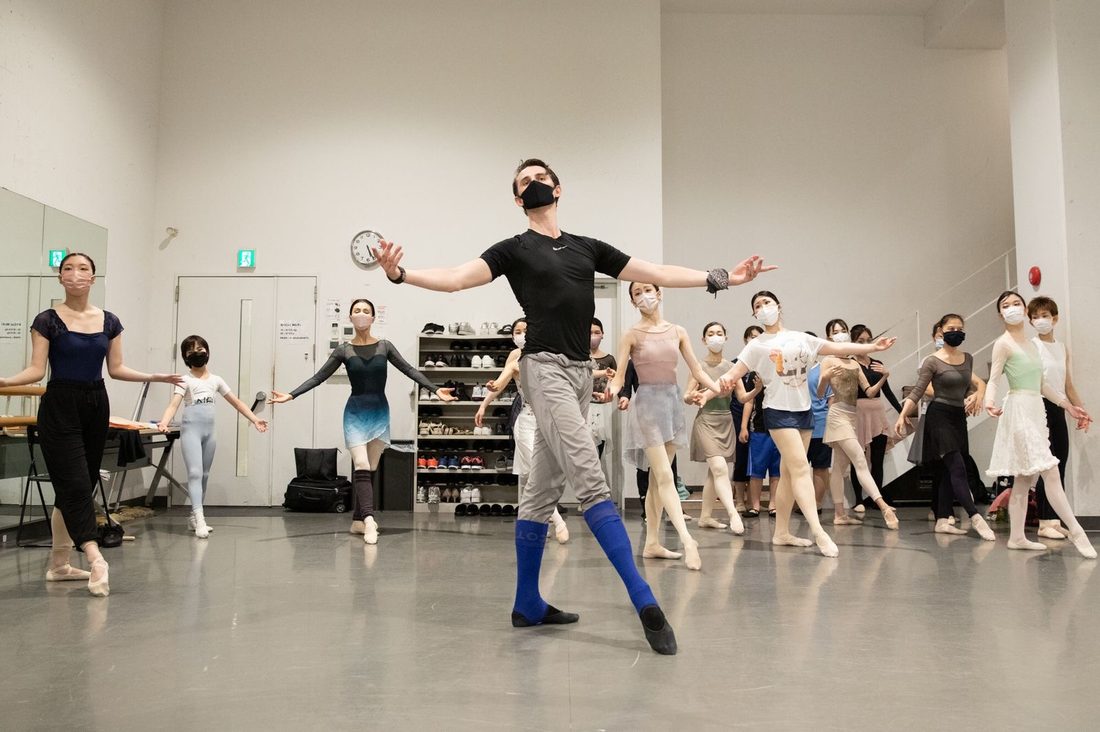
The project was born out of love — and out of a lack. For several years I gave masterclasses in Russia, Japan, and Thailand, and I saw how sincerely, how deeply ballet is loved there. That love is real.

But alongside that love lived a quiet lack — of the living, academic Russian school: the purity of line and logic of movement on which ballet rests.

The Classic Method was born to fill that gap — to make the authentic Russian school accessible to everyone who seeks it, wherever in the world they may be.

Much of this story began alongside Spasibo.project: this project inspired me and believed in the idea before anyone else — it opened The Classic Method's doors to Japan. The Classic Method grew out of that inspiration, as a continuation and support of a shared cause. Without that faith, the story would not have happened. Today Spasibo.project is our main partner and friend, with whom we will keep moving hand in hand.

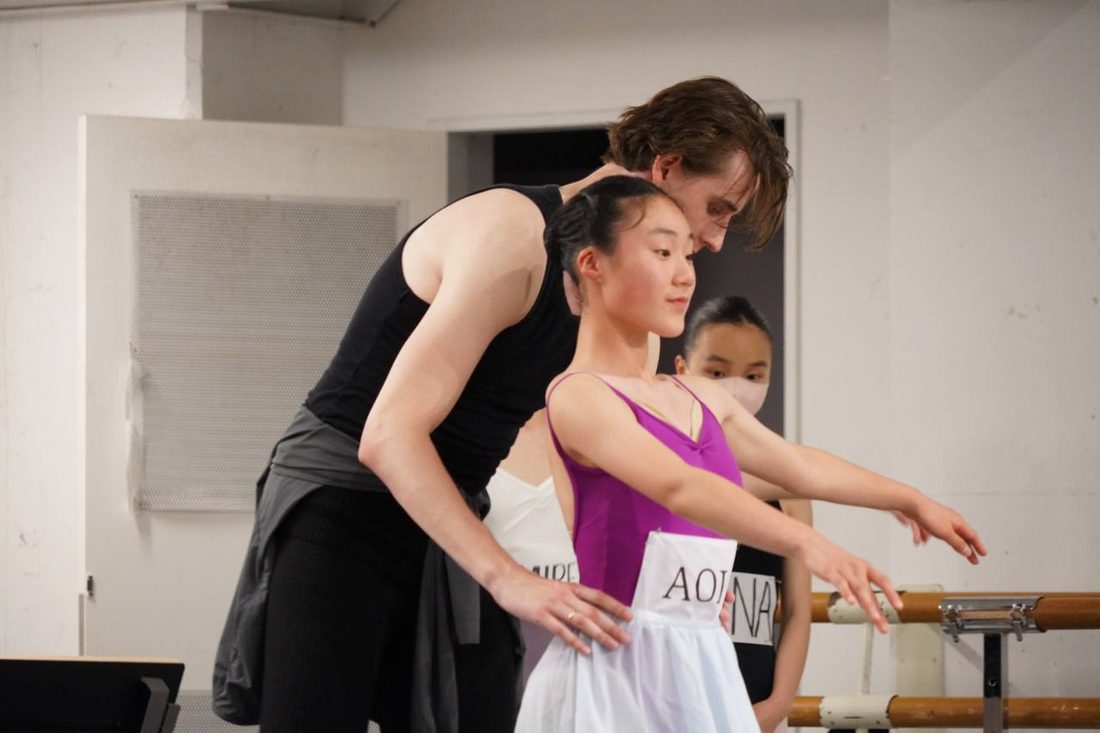
Мастер-класс, Япония
MasterclassJapan
Поправка, Япония
CorrectionJapan
Показ, Япония
DemonstrationJapan
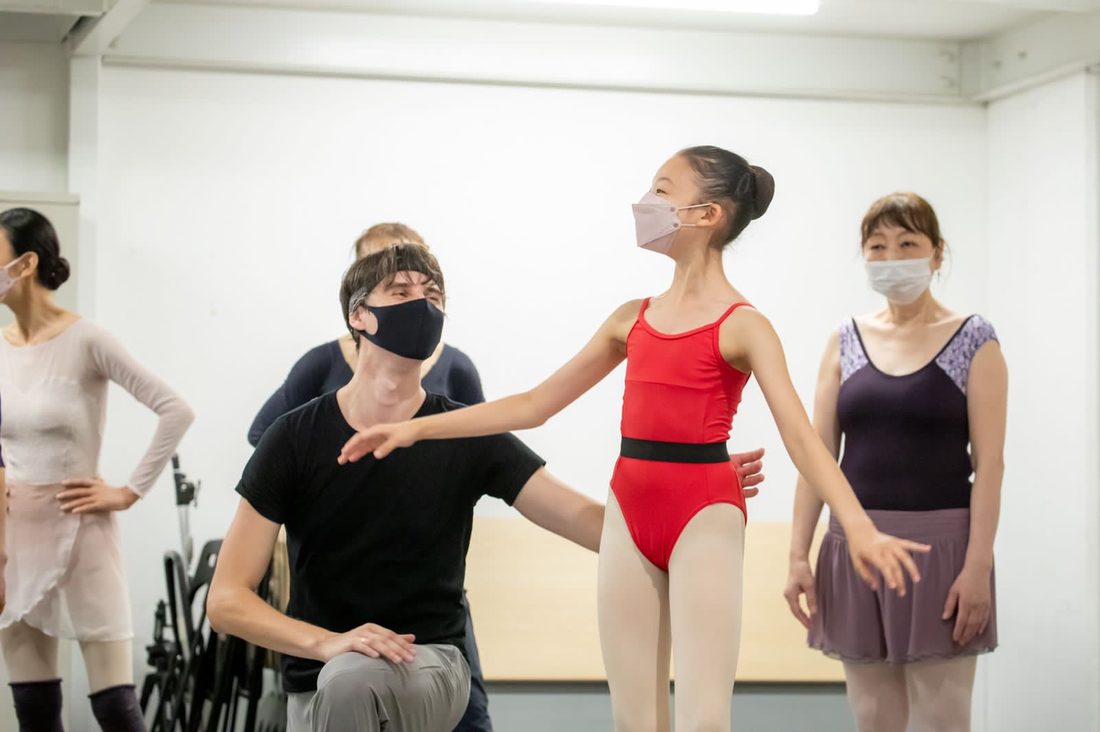
Мужской класс, Япония
The men's classJapan
Урок, Япония
LessonJapan
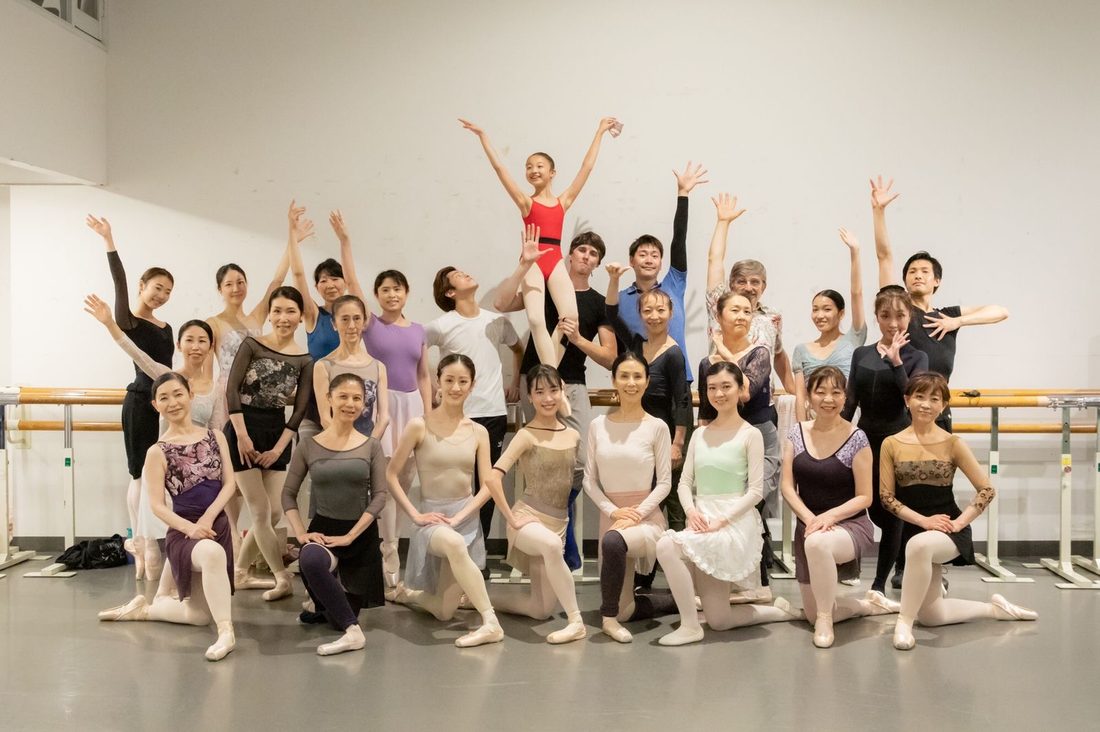
На память, Япония
A keepsakeJapan
About the author
Artem Pugachev
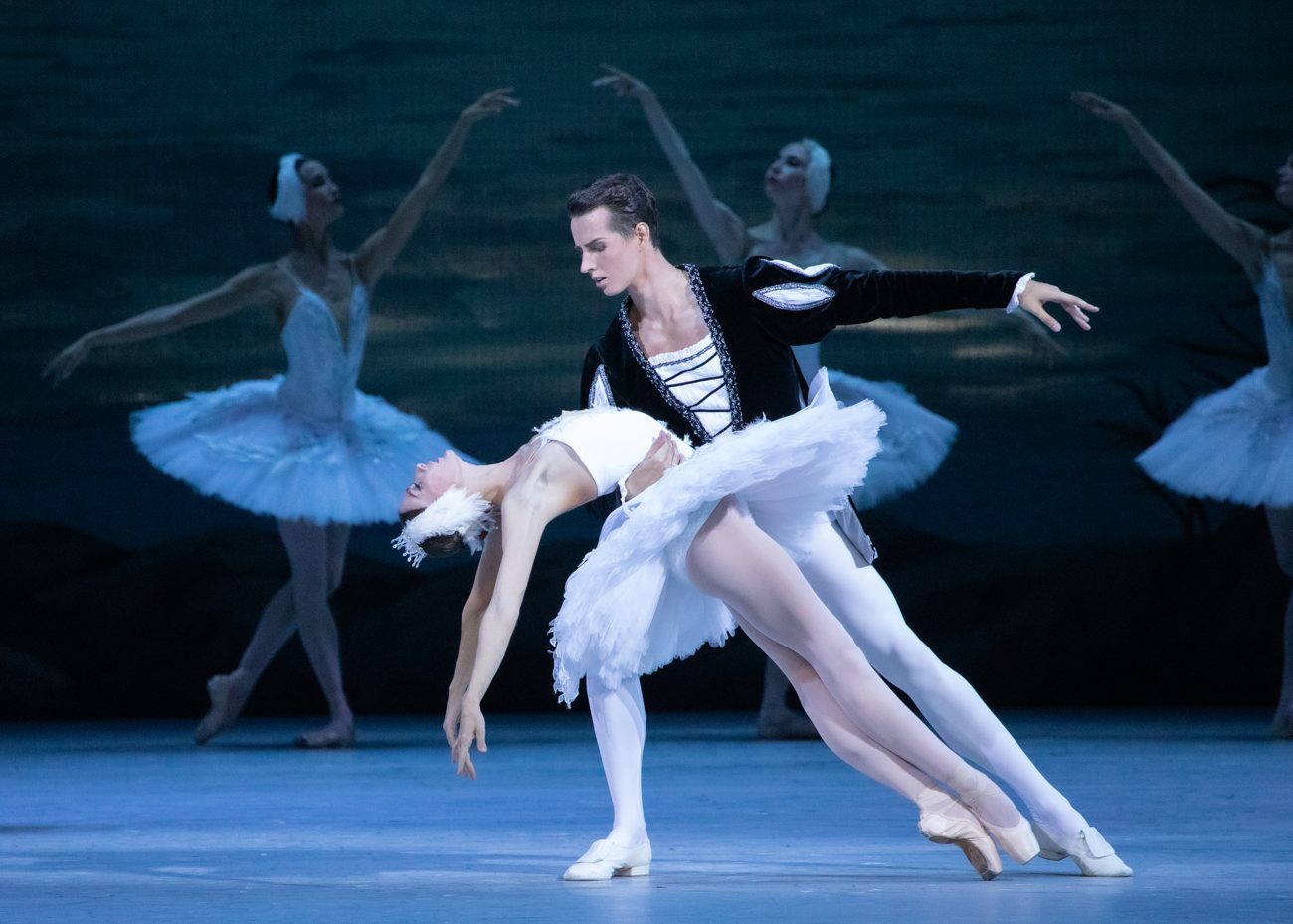
Лебединое озеро
Swan Lake
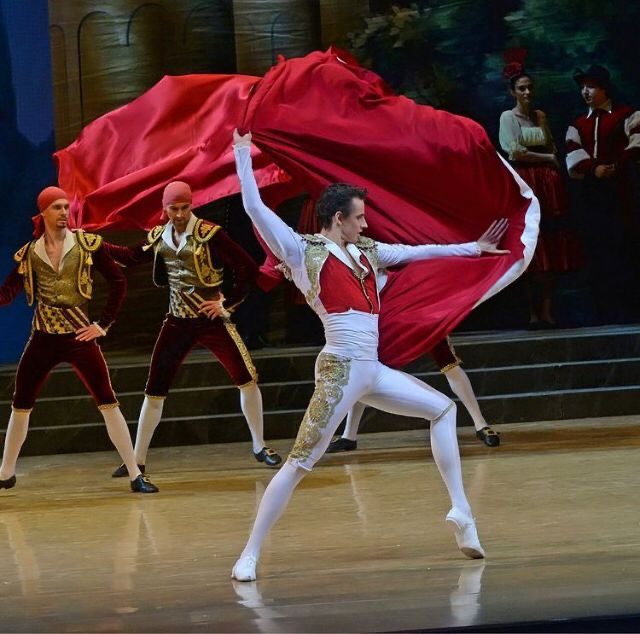
Дон Кихот
Don Quixote
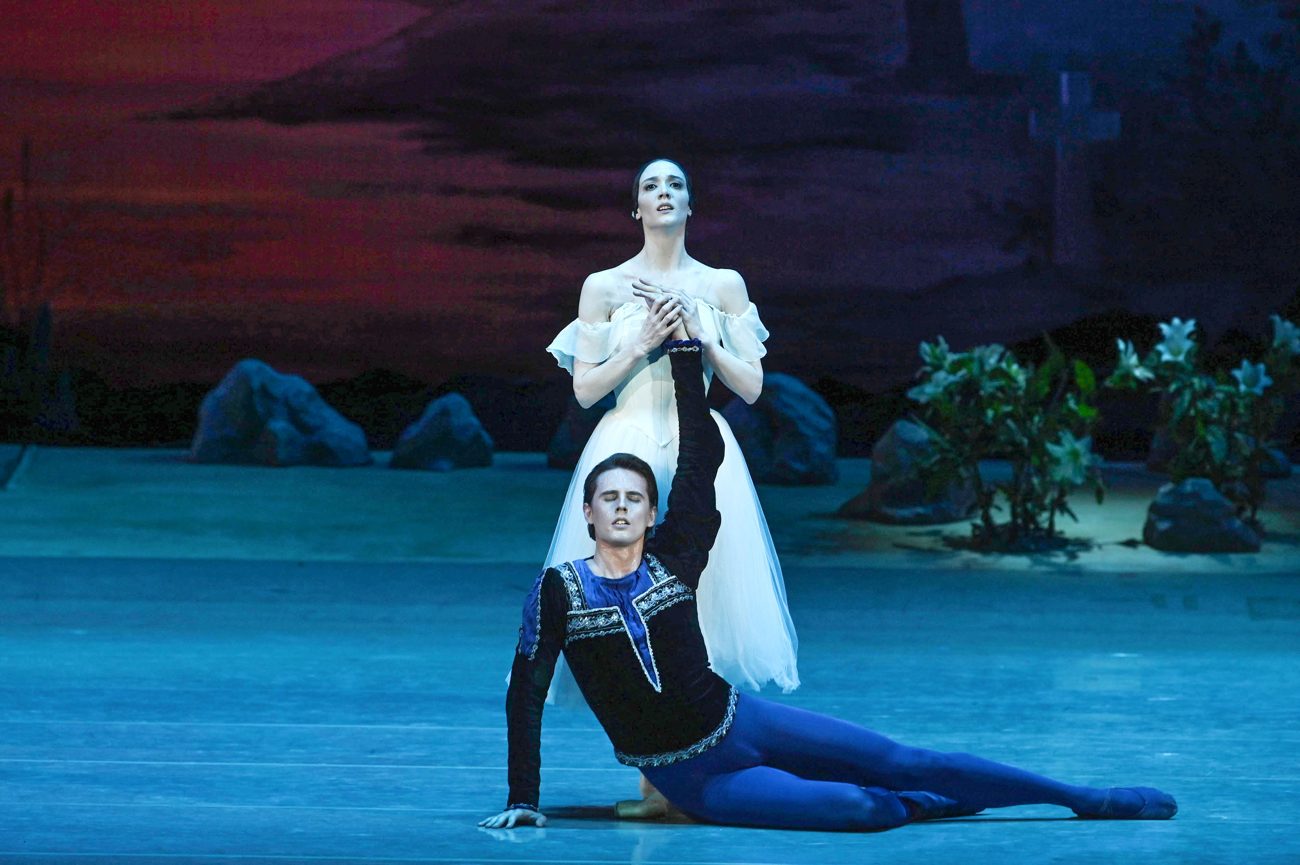
Жизель
Giselle
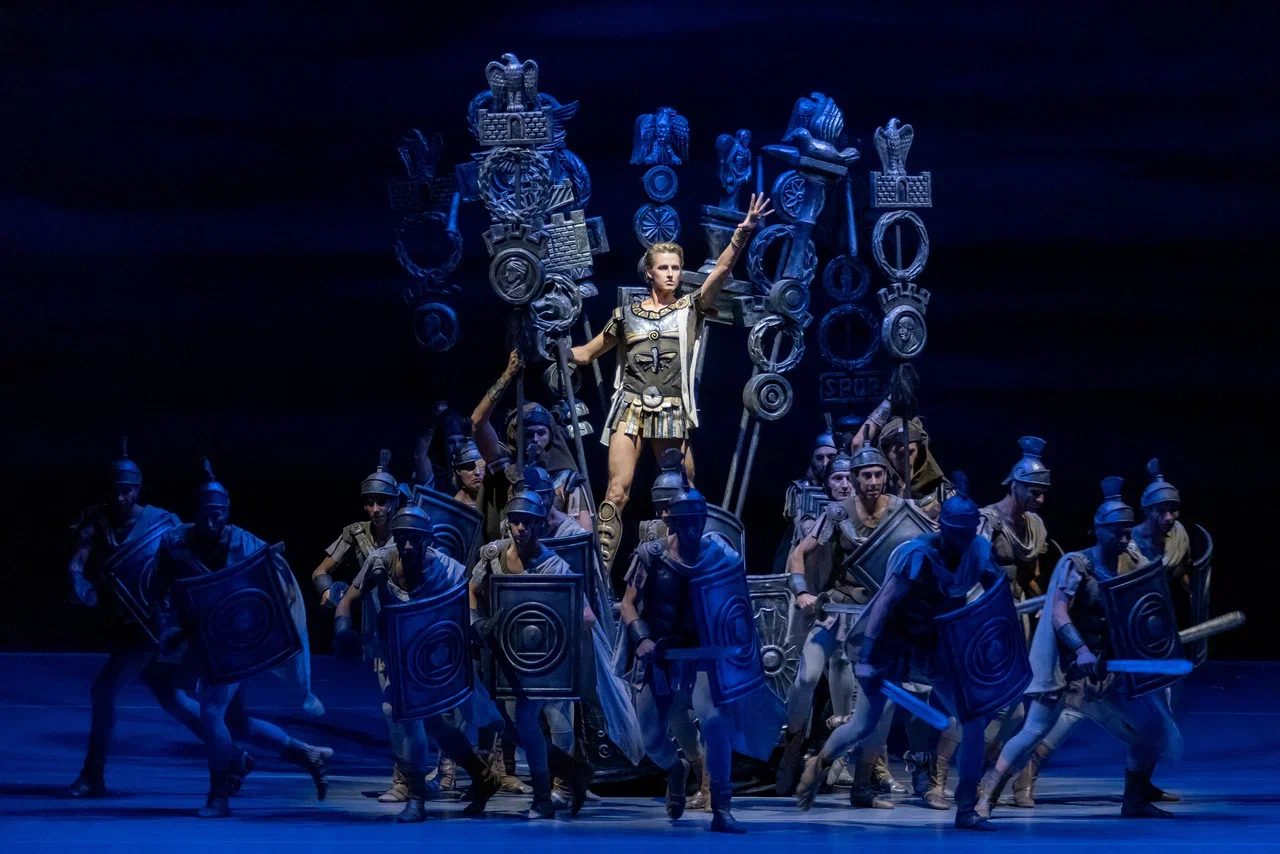
Спартак
Spartacus
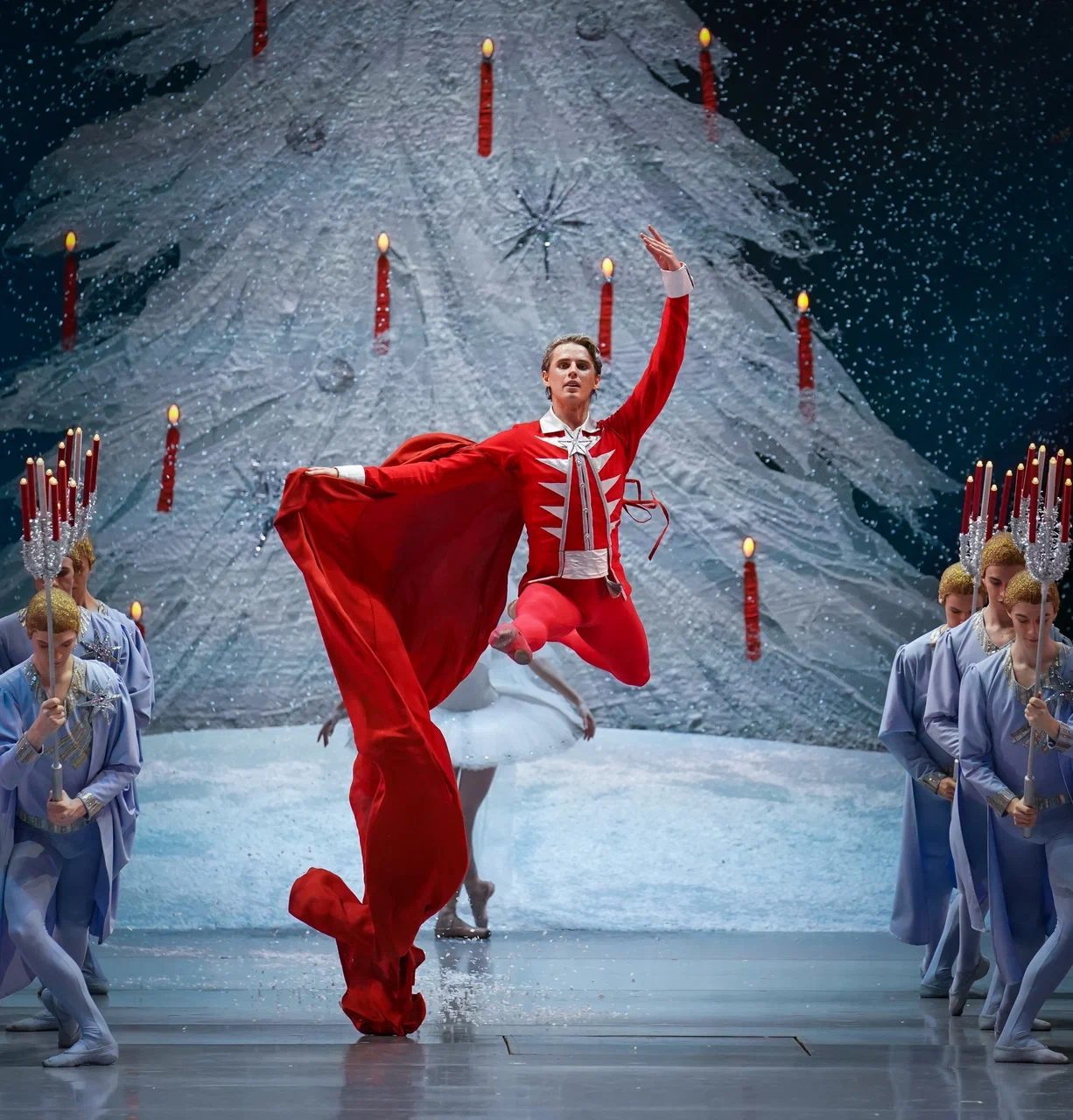
Щелкунчик
The Nutcracker
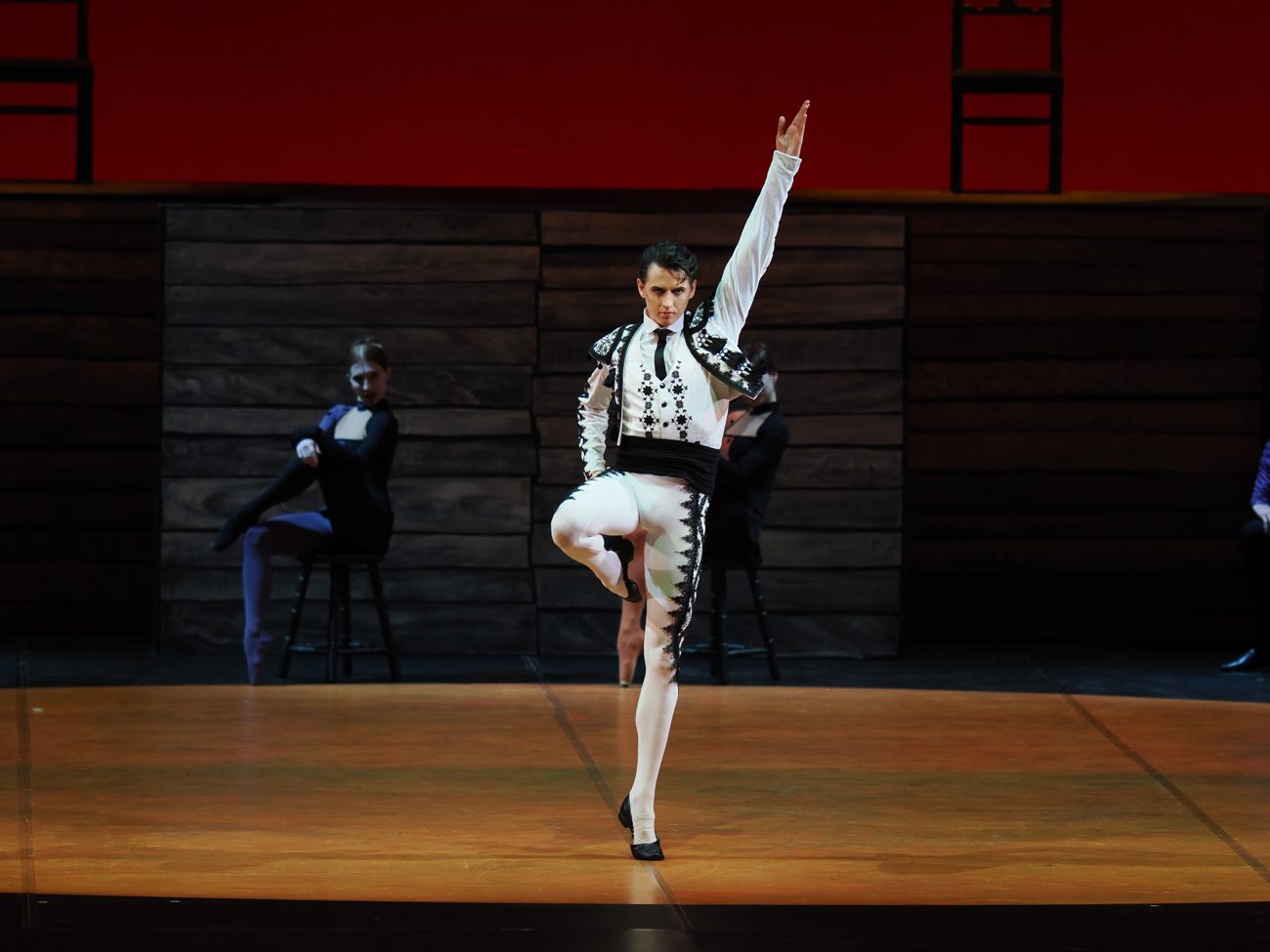
Кармен-сюита
Carmen Suite
Спящая красавица
The Sleeping Beauty
Собор Парижской Богоматери
Notre-Dame de Paris
Вальс
Valse
Класс
Class
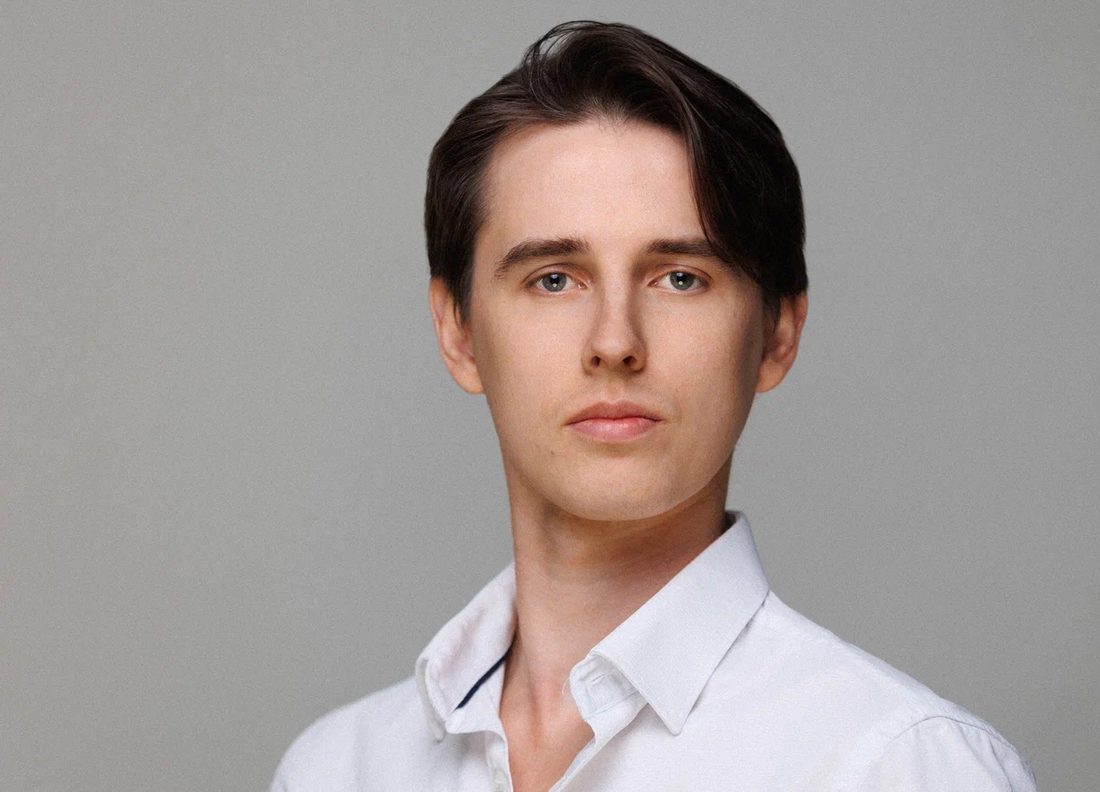
Артём Пугачёв
Principal, NOVAT · creator and director of The Classic Method · Instagram

A graduate of the Vaganova Ballet Academy — the school that produced the finest dancers of the 20th century. His professional path led through Astrakhan and Novosibirsk: since 2018, a principal of the Novosibirsk State Academic Opera and Ballet Theatre (NOVAT) — one of the largest stages in Europe.

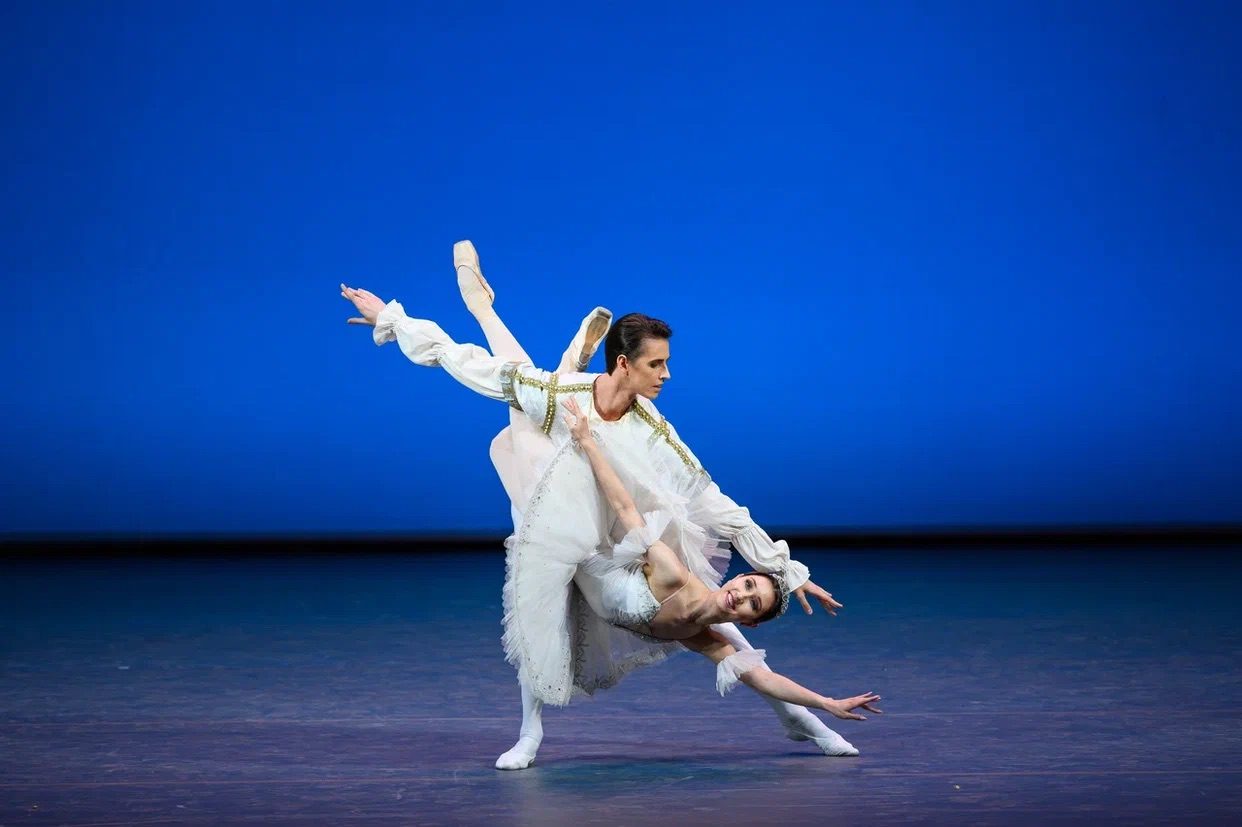
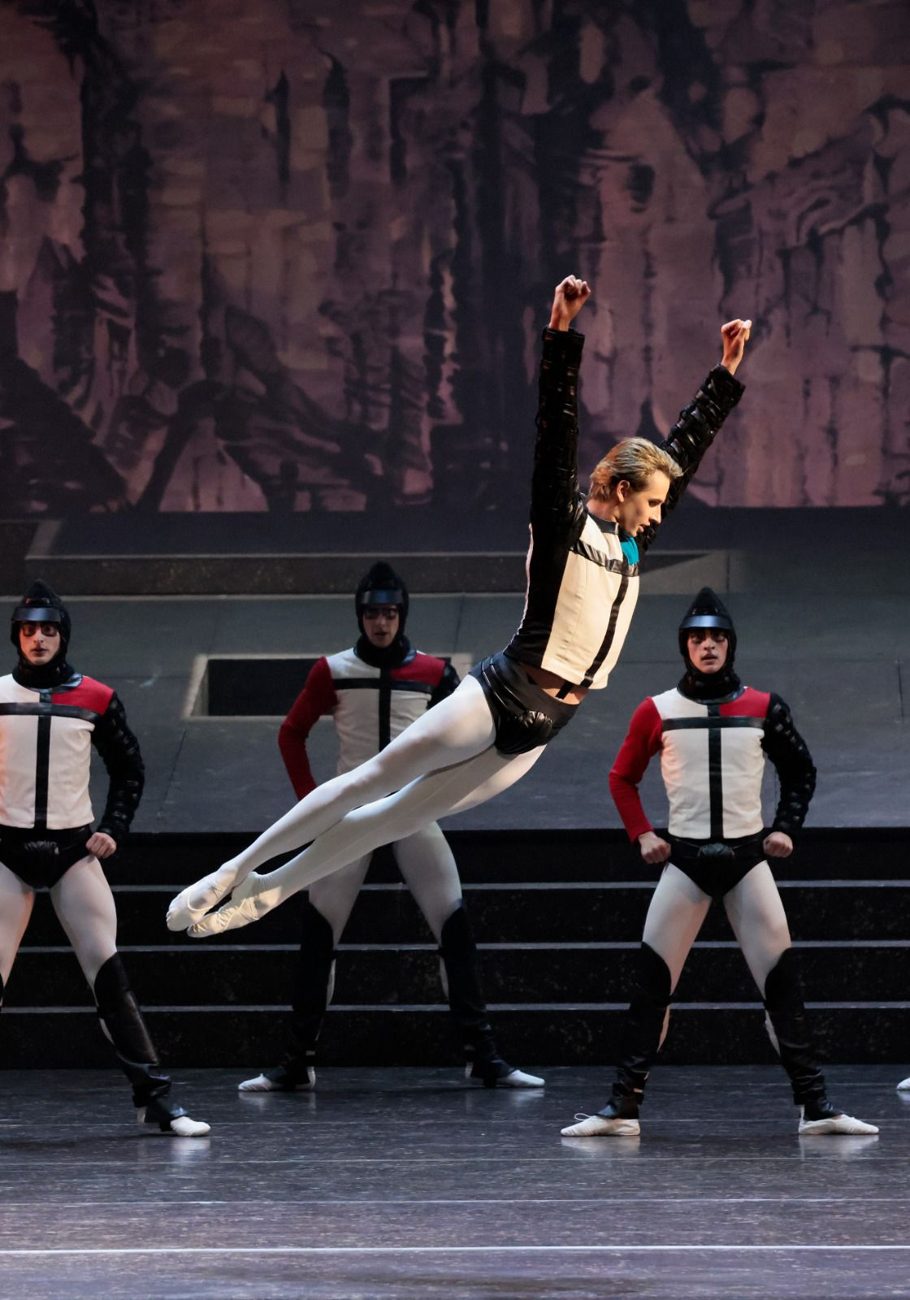
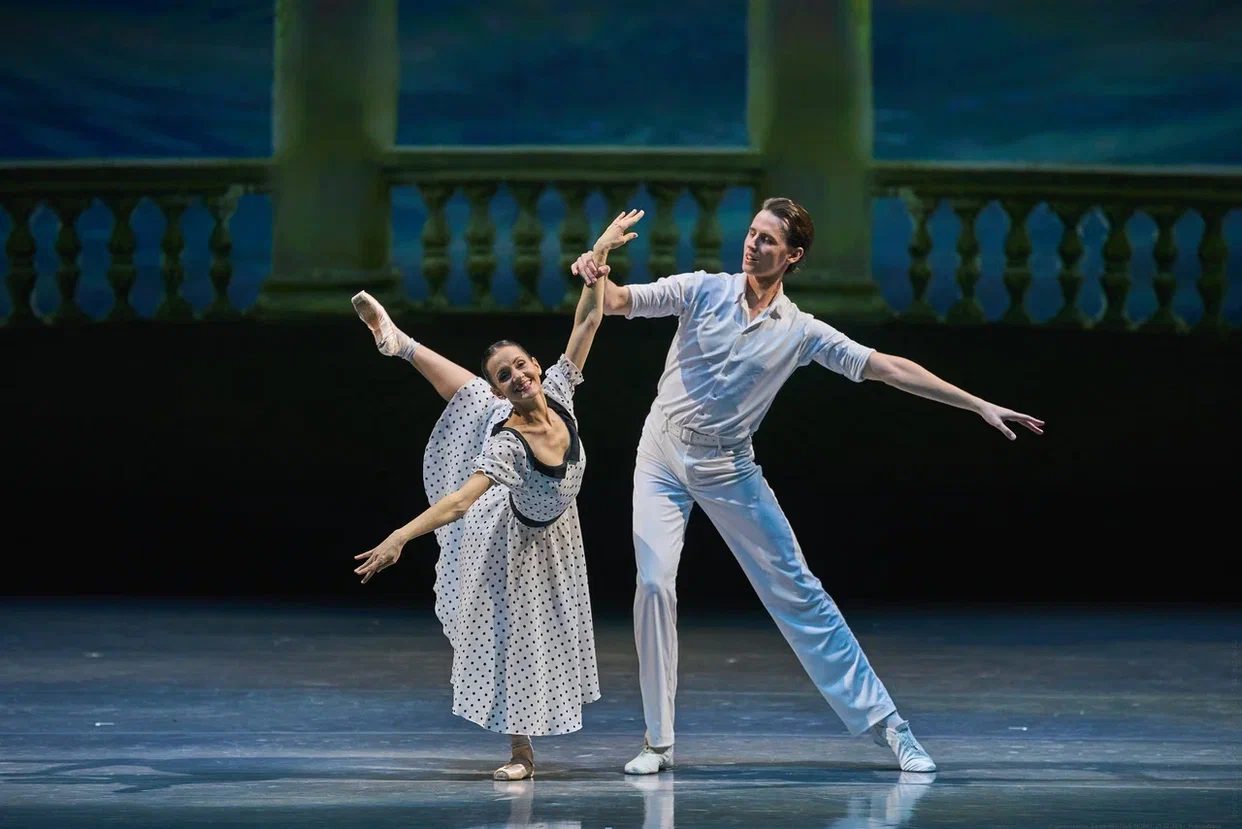
On stage — around twenty leading roles of the classical repertoire: from Siegfried and Count Albrecht to Balanchine's “Diamonds”. He works with the world's leading choreographers, is a guest soloist at many theatres in Russia and abroad, and regularly takes part in international gala concerts of world ballet stars.

· 1st Prize — International Ballet Competition, Spoleto, Italy (2018)
· 3rd Prize — International Ballet Competition, Tallinn (2016)
· 3rd Prize — All-Russian Ballet Competition, Moscow (2016)
· 2nd Prize — All-Russian Ballet Competition, Moscow (2014)
· Diploma — “Young Ballet of the World”, Sochi (2016)
· State Scholarship of the Government of the Russian Federation for young cultural figures (2020)
· Laureate of the “Kings of Fine Arts” award, Novosibirsk (2023)

Supported by

Russian ballet.
Open to all.

View the methodsStart learning